


Fashion, Culture & Fun Collide as Lagos’ Iconic Eyo Festival Returns After 8-Year Hiatus
Lagos did what Lagos does best late December 2025. It rose, it shimmered, it gathered the world to its chest. After an eight-year pause, the iconic Eyo Festival returned and

Lagos did what Lagos does best late December 2025. It rose, it shimmered, it gathered the world to its chest. After an eight-year pause, the iconic Eyo Festival returned and the city answered with drums, color, commerce, and contagious joy.
For the first time in its storied history, the Eyo Festival stepped into December, landing squarely in the heart of Detty December. The timing could not have been more poetic. As concerts, art shows, beach parties, and pop-ups erupted across the state, Lagos Island became a cultural anchor, pulling sons, daughters, returnees, and curious lovers of heritage into a weeklong celebration that felt both ancient and electric.
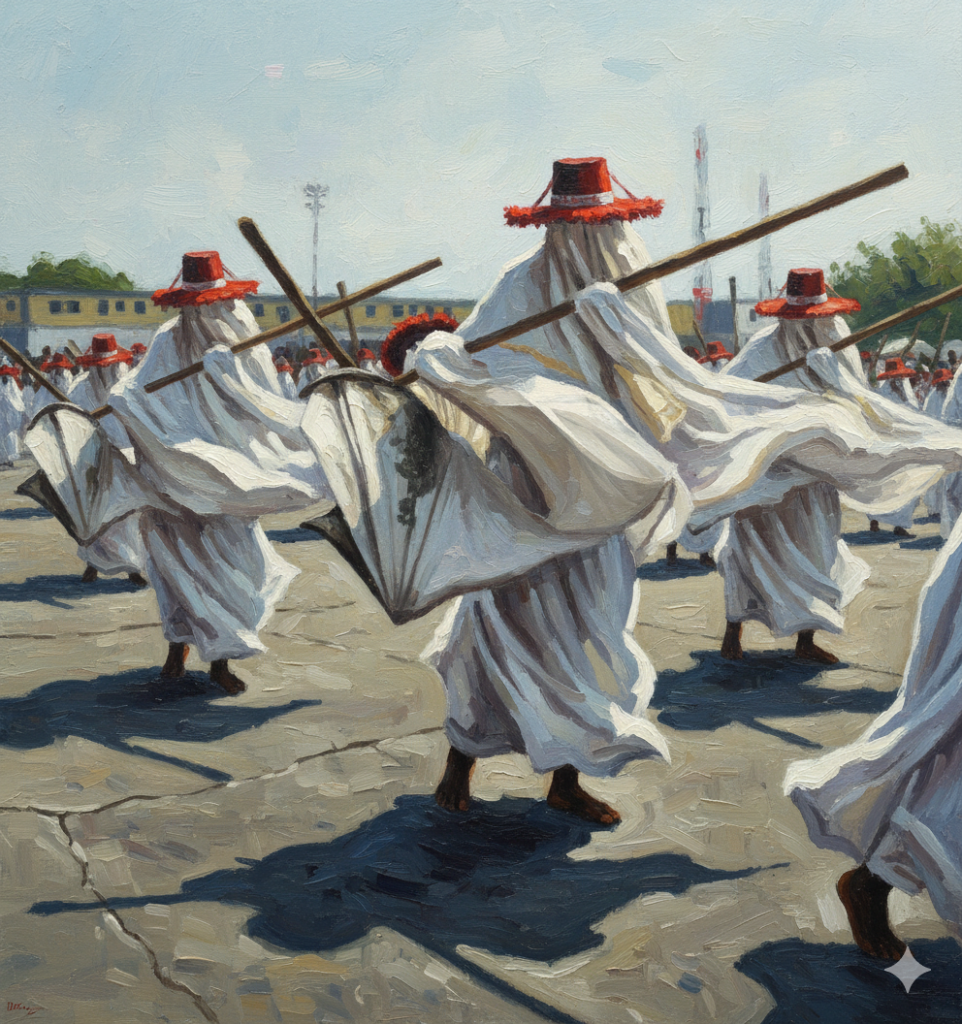
Known traditionally as the Adamu Orisha Play, the Eyo Festival is a sacred Yoruba ceremony unique to Lagos. The white-clad Eyo masquerades, moving with measured grace, symbolize ancestral spirits whose role is to guide departed souls to the afterlife. Historically, the festival honors deceased kings, chiefs, and distinguished individuals who shaped Lagos’ social and political fabric. Seeing them again after nearly a decade felt like history exhaling.
Rules remain rules. No shoes. No hats. Yet Lagos fashion thrives on constraint. Instead of dulling the mood, the restrictions sharpened creativity. Flowing regalia, embroidered kaftans, hand-dyed fabrics, coral beads, and statement accessories turned the streets into a living runway. White dominated, but personality did the talking. The result was culture dressed for the camera age.
Beyond spectacle, the economy hummed. From transport operators to fabric sellers, photographers to food vendors, the festival was a reminder that culture is also currency. Judging by the sea of people and the steady movement of goods, millions of naira found new homes in pockets across the city.
And then there was food. Because no Lagos gathering is complete without it. The aroma of seafood, hot amala, tapioca, and local delicacies floated through the air, pulling people into impromptu feasts between dances and photographs. Plates were full. Spirits even fuller.
The return of the Eyo Festival was more than an event. It was a statement. Tradition can rest, but it never disappears. When it returns, especially in Lagos, it does so loudly, stylishly, and with the confidence of a city that knows exactly who it is.