


NTEL Returns To Nigeria’s Telecoms Market With e-SIM.
Nigeria’s telecommunications operator, NTEL, has made a fresh push into the market with new connectivity services targeting international travellers, homes and businesses, as it seeks to rebuild its presence in
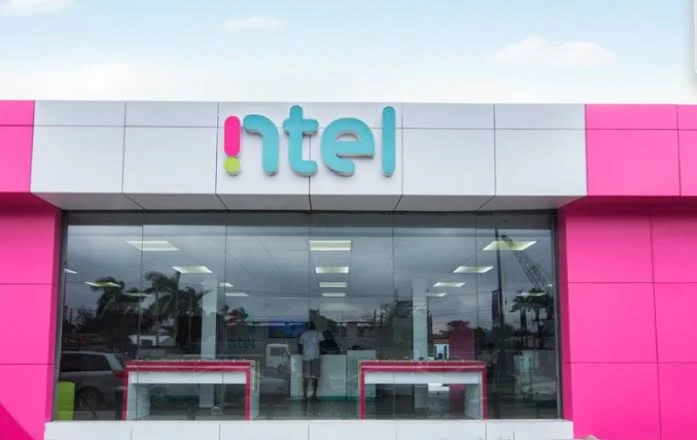

Nigeria’s telecommunications operator, NTEL, has made a fresh push into the market with new connectivity services targeting international travellers, homes and businesses, as it seeks to rebuild its presence in an industry dominated by established players.
NatCom Development and Investment Limited, which operates NTEL and acquired the assets of the former Nigerian Telecommunications Limited (NITEL), is repositioning the business around digital connectivity, telecommunications infrastructure and real estate.
As part of the comeback, ntel has introduced WakaGo, a global eSIM service designed to provide internet connectivity to Nigerians travelling abroad, and AirFibre, a fixed wireless broadband solution aimed at homes and businesses seeking high-speed internet access without requiring extensive fibre installations.
WakaGo allows users with compatible devices to access mobile data in international destinations without purchasing physical SIM cards upon arrival. The service is designed to support internet-based communication and other online activities, offering an alternative to conventional international roaming. The company has not publicly disclosed specific pricing details that would allow customers to compare its rates directly with competing services.
AirFibre, meanwhile, targets domestic connectivity challenges by using wireless technology to deliver broadband access. ntel says the service can achieve speeds of up to 1.2 gigabits per second per link. Trials are under way in Lagos and Abuja, with planned expansion to Ibadan, Abia State and Benin City. Actual customer experience will depend on coverage, network conditions, equipment and the eventual commercial packages.
The new offerings form part of a wider strategy that moves ntel beyond its traditional identity as a telecommunications operator. Under its BET Agenda, the company has organised its growth plans around Beam, Eden and Titan, covering connectivity and digital services, real estate development, and telecommunications infrastructure respectively.
Through its infrastructure business, ntel plans to develop and commercialise assets such as towers, fibre networks, ducts, colocation facilities and other connectivity infrastructure. Its real estate strategy will focus on unlocking value from its property portfolio through commercial and residential developments, including projects in Lagos, Port Harcourt and Abuja.
The return comes after years of difficulty for the business that emerged from NITEL, once Nigeria’s state-owned telecommunications provider. ntel previously sought to compete in the mobile market through its 4G LTE network, but financial and operational challenges limited its ability to establish a strong position against larger operators.